

AI Doesn't Retire Scrum: It Makes It Essential
AI has changed how almost every team works. What it hasn't done is make agility less relevant: teams working with AI have never needed it more.
Scrum Manager
(opens in a new tab)
Professional
AI has changed how almost every team works. What it hasn't done is make agility less relevant: teams working with AI have never needed it more.
Professional
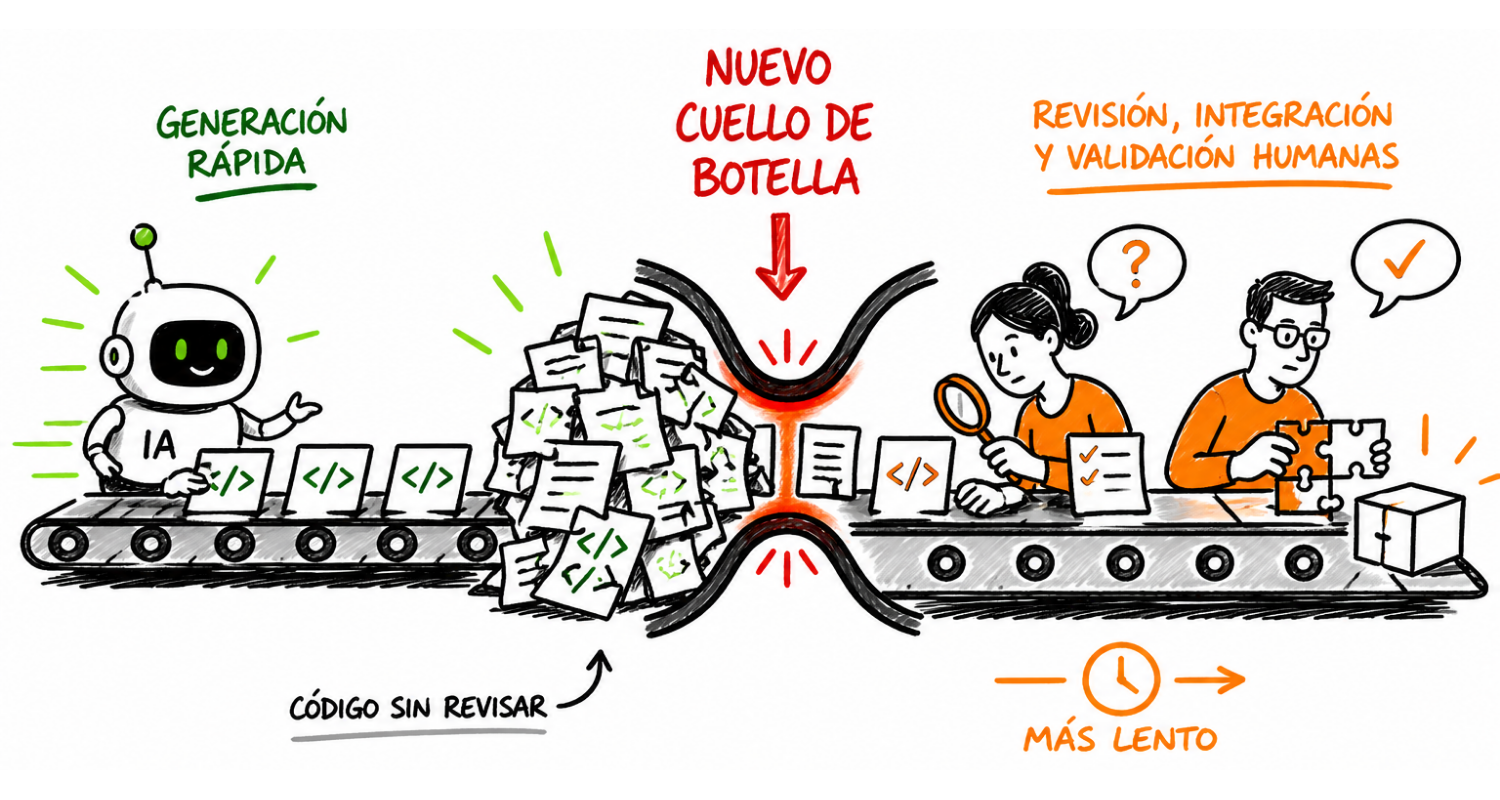
Until recently, when a Scrum Team got stuck, the most frequent answer was predictable: we need more development capacity. More people, more sprints, more hours. Implementation was slower. But something has changed. With generative AI accelerating code writing, test generation, and prototype creation, that constraint has shifted. And if we don't know where it has moved, we risk optimizing what no longer matters.
Professional
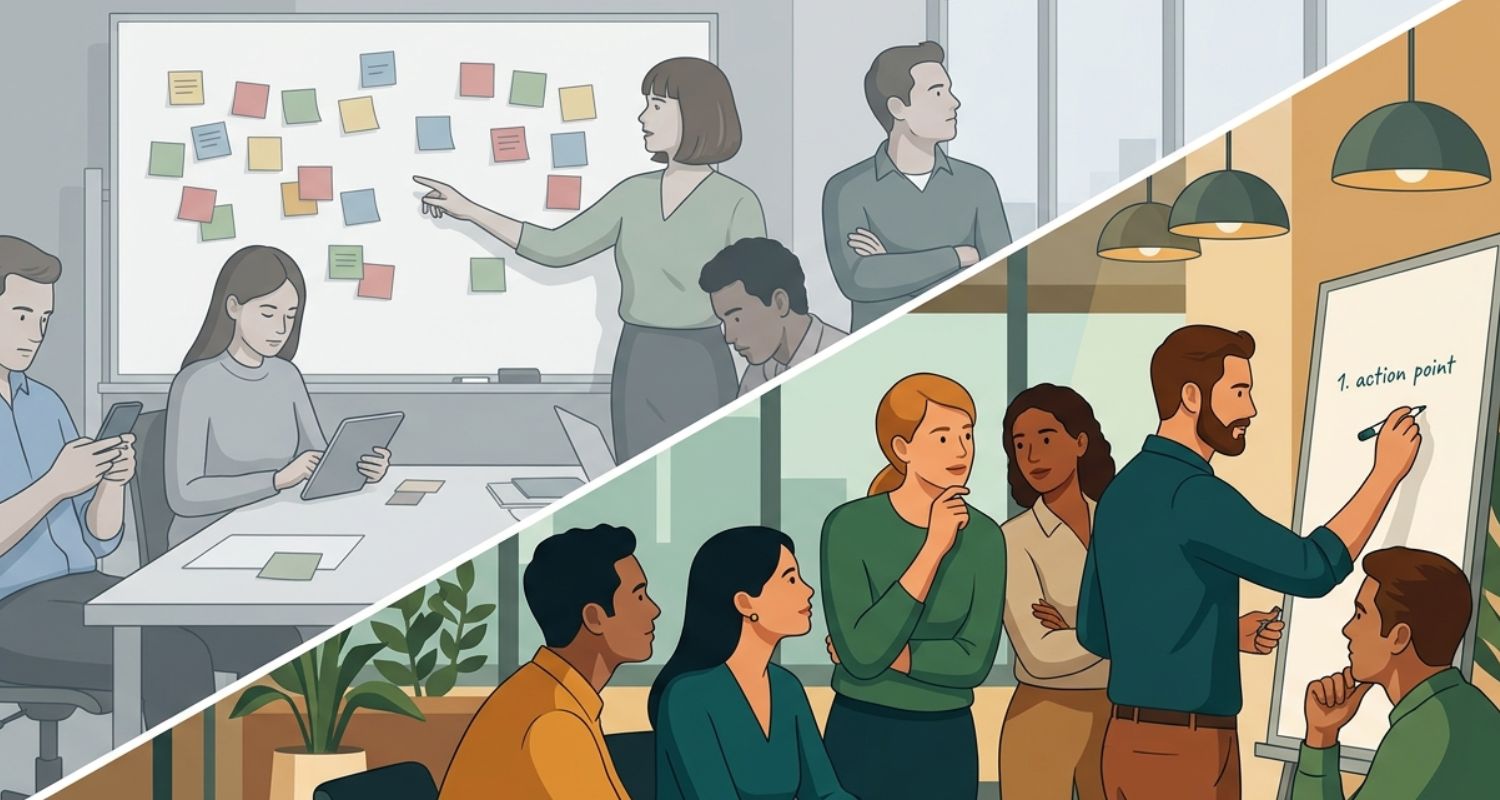
Many people will recognize this scene: the team has been holding retrospectives every sprint for six months. The board of sticky notes is spotless. The facilitators rotate. The format is always different. Yet the same problems keep showing up, sprint after sprint, in different words but with the same root. When does a retrospective stop being a tool for improvement and become a well-executed liturgy that changes nothing?
Professional
The Product Owner was the voice of the customer on the team. Their job was to manage a backlog, prioritize user stories, and make decisions about what to build. For years, that was enough. Today, when a team can generate in hours what used to take weeks, that description of the role has become too small. AI has not eliminated the need for someone to decide what deserves to be built. On the contrary: it has made that need more urgent and more demanding than ever. There is an irony in what is happening to the product role in the age of AI. For years, the community debated whether the Product Owner had too much power or too little, and whether they should be more technical or more strategic. Then generative AI arrived, and that debate was overshadowed by a more concrete one: the role is not at risk of disappearing, but of becoming the point where everything is won or lost.
Professional
Find out what happens in your first 90 days as a Scrum Master, the most common mistakes, practical advice, and the role in the age of AI.
Professional
You arrive at the Sprint Retrospective and feel it in the air: glances at the clock, arms crossed, that collective sigh barely disguised. "What went well? What could we improve?" The same questions. The same vague answers. The same commitments nobody will keep. When it ends, everyone leaves with the feeling of having lost an hour that could have been invested in "real work". If this sounds familiar, your team is not alone. Many report that retrospectives have lost effectiveness over time. Why?
Professional
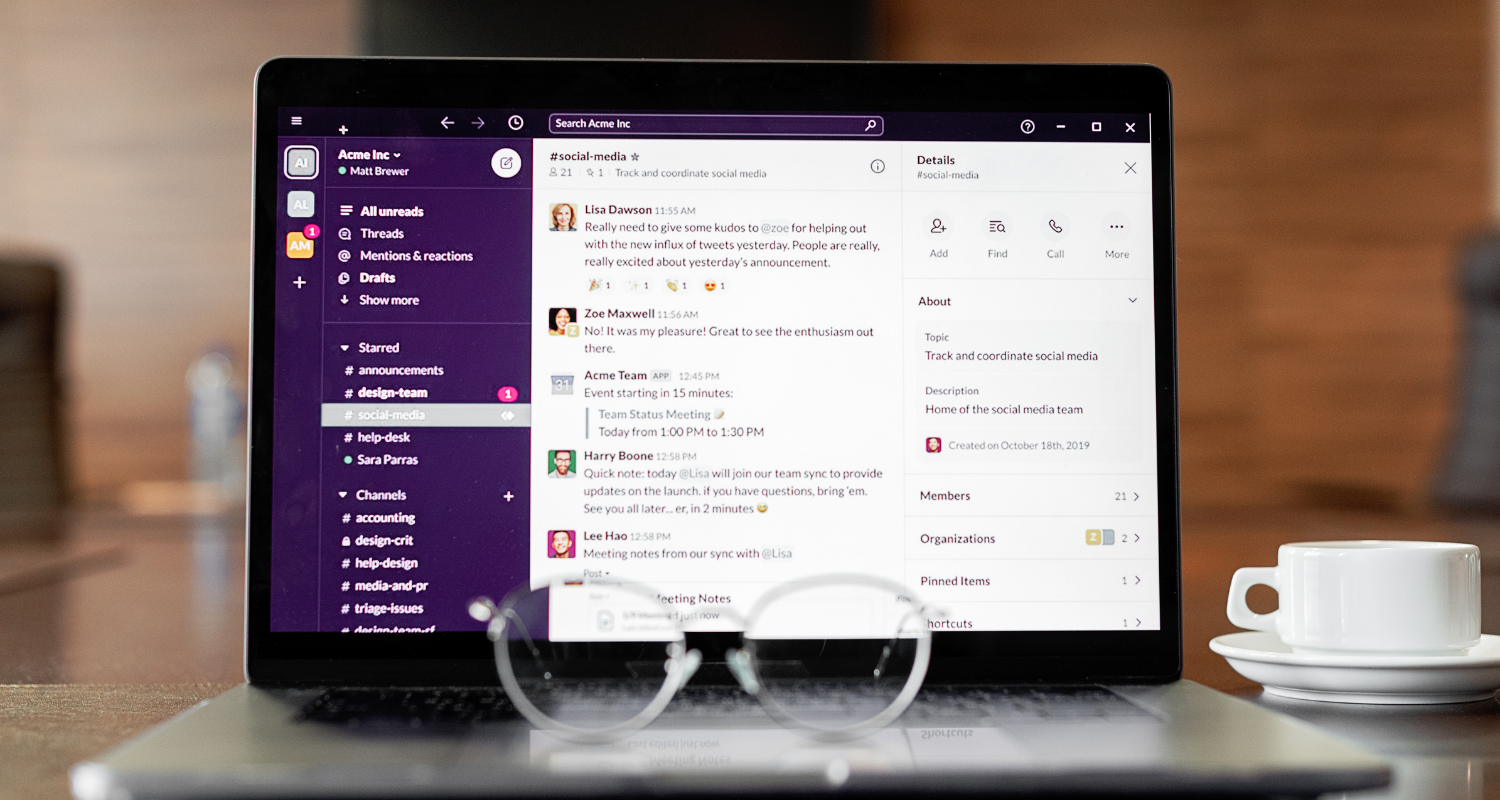
Your team has three developers in Barcelona, two in Buenos Aires, a PO in Manila, and a Scrum Master in Portland. A Daily Scrum at 9:00 AM means someone in Manila logs on at 4:00 PM (at the end of their workday), someone in Buenos Aires gets out of bed at 5:00 AM, and in Portland it's 12:00 AM (midnight). After three months of rotating schedules "to be fair," nobody is happy. Burnout is evident in every video call. Then someone suggests: "What if we make the Daily Scrum asynchronous?" Doubts arise immediately: "Would it still be Scrum?"
Professional
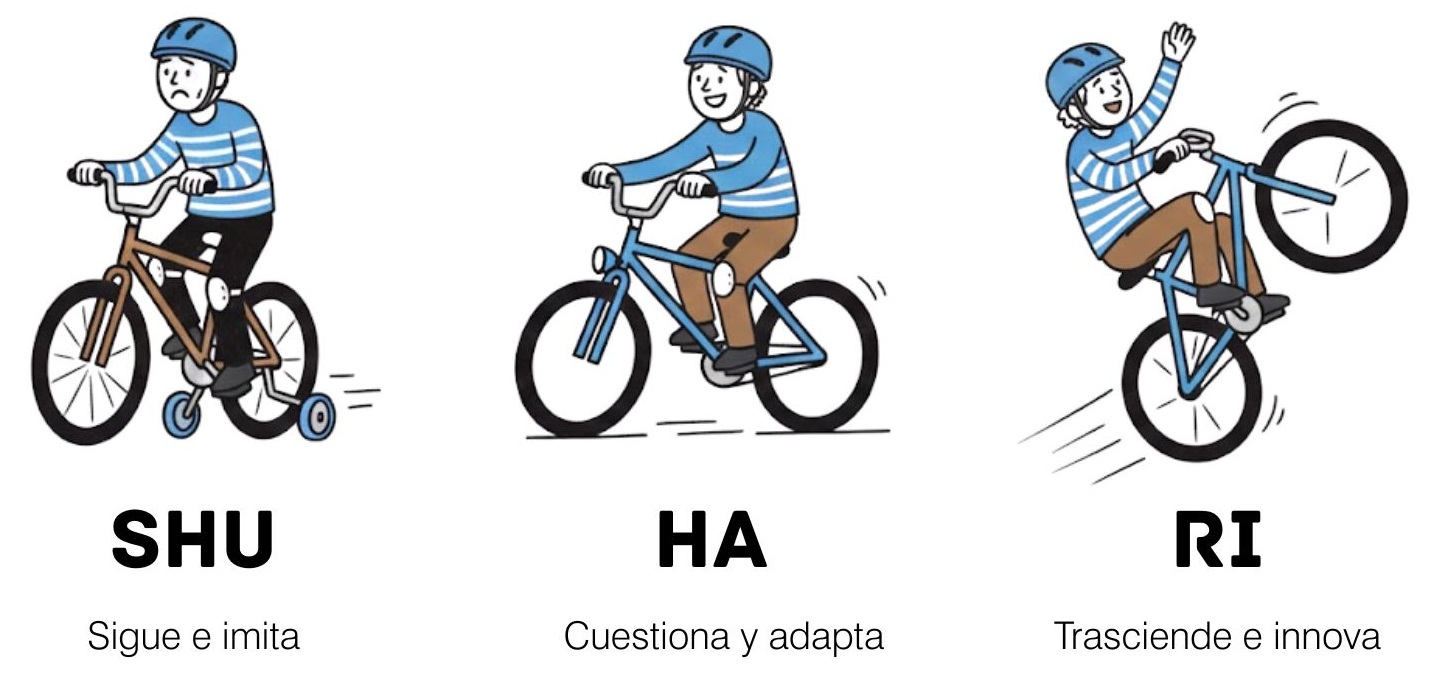
A few days ago we published a post on LinkedIn that taught us several lessons. Not because of what those who agreed said, but because of the discomfort it caused among those who felt we were suggesting that in Scrum "anything goes." We want to bring judgment (and precision) to a place where it is easy to fall into dogma… or into excuses. There is a fine line between intelligent adaptation and the degeneration of the framework. And that line is not always visible until we have already crossed it.
Professional
A practical investigation into the evolution of the most misunderstood event in Scrum.
Informative
From serious games to retrospectives with Legos: are we improving Scrum or just dressing up its ceremonies?
Professional
You facilitate, you coach, you create value... but when someone asks "and what exactly do you do?", you hesitate. If you are a Scrum Master, this will probably sound familiar.